Basement Waterproofing London Ontario for Older Homes: Special Considerations
Walk the streets of Old North, Woodfield, or Wortley Village and you see why London’s older homes have staying power: thick stone or brick foundations, generous porches, deep lots lined with mature trees. The part you don’t see is what years of freeze and thaw, a high water table near the Thames, and time itself have done below grade. When homeowners call about a wet basement London Ontario problem in a century home, the issues rarely match what you find in newer subdivisions. The materials are different, the drainage expectations were different, and even the way the building breathes is different. Good outcomes depend on understanding those differences and tailoring basement waterproofing to the house, not forcing the house to fit a product.
Why older London basements get wet in the first place
Most pre-World War II homes in London used stone, brick, or early concrete block for foundation walls. Perimeter drains, if present, were often clay tile with open joints. These tiles silt up or collapse after decades. Exterior coatings were more about dampproofing than true waterproofing, relying on coal tar or parging to slow moisture, not stop hydrostatic pressure. Pair that with London’s soils, which lean toward silty clays that swell when wet and shrink as they dry, and you have a recipe for both water ingress and movement.

The Thames River watershed exerts another influence. In pockets near rivers and ravines, the water table rides high in spring and after heavy rain. When snowmelt hits frozen ground, water has nowhere to go except into window wells and along foundations. You get sustained pressure against the wall, and the weak point gives up: mortar joints in rubble stone, hairline cracks in block, or the cold joint at the base of the wall and the slab.
Anecdotally, the calls spike right after a March thaw or a stalled July thunderstorm that drops 50 to 70 mm in a few hours. Basements that seemed fine all winter suddenly smell like a locker room, efflorescence blooms along the paint line, and cardboard boxes wick up water like sponges.
How materials and construction change the playbook
Two homes can sit on the same street and need very different solutions, simply because their foundations aren’t alike.
Rubble stone foundations, common in homes from the late 1800s to early 1900s, rely on the mass of irregular stones set in lime mortar. They handle compressive loads well but dislike point loads and hard, impermeable coatings. Slathering on a dense cement parge or a non-breathable interior sealer often pushes moisture to the path of least resistance, which can be the floor joint or a weak mortar bed. Stone also hates freeze cycles when saturated. Any plan that traps water in the wall risks spalling.
Clay brick foundations vary, but many were built as multi-wythe brick walls with softer, high-lime mortar. The wall wants to dry to both sides. Cement-based parges or polymer-modified coatings can exceed the strength of the original brick and mortar, which leads to the brick face popping under stress. On older brick, prioritize breathable lime-based repairs and flexible membranes on the exterior rather than hard skins.
Concrete block, by contrast, introduces hollow cores. Water can travel vertically inside the blocks, then show up as a mysterious stain halfway up the wall. You might see horizontal cracking along the mid-height if the soil is pushing in. Addressing block walls is as much about relieving pressure and draining the cores as it is about sealing the surface.
Early poured concrete foundations began to show up mid-century. They crack at predictable points: honeycombing near cold joints, shrinkage cracks radiating from window corners, and the cove joint where the wall meets the slab. These are typically the most straightforward to detail with exterior membranes or injection, provided the drainage is corrected.
Knowing which wall you have is step one. If you are not sure, a small test pit at grade or an unfinished utility room can tell the story.
The hierarchy of fixes: start with water management
The best basement waterproofing in London Ontario often begins above ground. Gutters that pitch wrong or downspouts that elbow out only a foot from the wall can dump thousands of litres against the foundation in a single storm. Lawns graded flat to the house trap water at the sill. Correcting these basics can halve the moisture load before you touch the wall.
Extend downspouts four to six metres from the house, ideally to daylight or to a buried solid pipe that discharges far from the foundation. Aim for a gentle slope away from the house, roughly two to three percent over the first two to three metres. Window wells need proper depth, pea gravel, and clear covers. On older homes, check whether downspouts still connect to the sanitary system. Many municipalities, including London, have moved to disconnect downspouts from sewers to reduce basement backups during peak storms. Changes like this can shift more stormwater onto the surface near homes that were never designed to handle it, which is another reason grading and extensions matter.
Interior humidity control plays a supporting role. A dehumidifier sized for the basement can keep relative humidity below 55 percent in summer, which limits musty odours and mold growth, but it does not stop liquid water. Use it to manage vapour and seasonal dampness, not to compensate for an active leak.
Interior versus exterior: knowing when to choose each
Interior systems are attractive because they avoid digging and often cost less up front. A common approach is to cut the slab at the perimeter, install a perforated drain beside the footing, and route water to a sump pump. For block walls, adding weep holes at the base lets retained water drain. When tied to a reliable pump with battery backup, this approach manages groundwater effectively and keeps the basement usable.
Exterior systems, however, tackle the problem where it starts: outside. Excavating to the footing allows inspection of the wall, repair of cracks and joints, installation of a modern dimple board and elastomeric membrane, and replacement of the footing drain with perforated pipe wrapped in filter fabric. If the old clay weeping tile has collapsed or silted in, you will not regain reliable drainage without digging. Exterior work also protects the wall from further cycles of saturation and freezing.
So which suits an older home? If your wall is rubble stone or multi-wythe brick, exterior work usually offers a safer long-term path. It respects the wall’s need to dry, avoids trapping moisture on the interior face, and removes hydrostatic pressure. Interior systems can still be part of the strategy, especially where access on one side is impossible due to property lines or additions. For poured concrete or block with localized cracking but otherwise sound exterior drainage, interior systems may provide excellent value.
There is a hybrid approach that sees a lot of use in tight London lots. Crews address the worst exposure areas from the outside, often the rear or side facing prevailing weather, and install an interior drain and sump to capture what remains. This balances cost and disruption against performance.
The sump pump question, and how to do it right
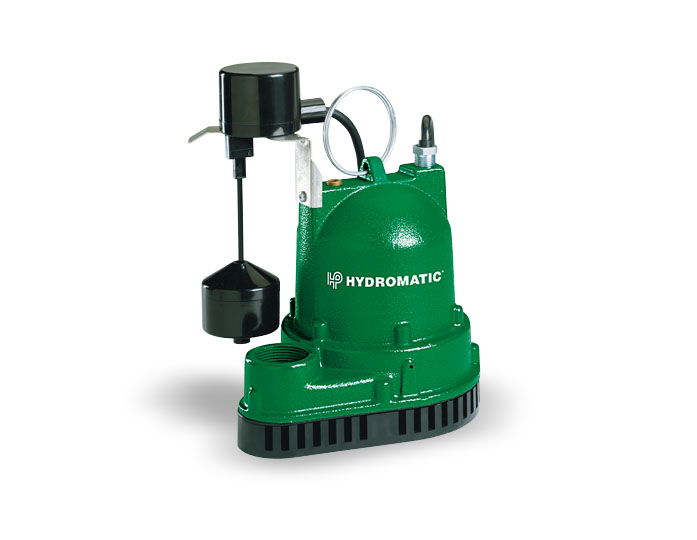
In high water table pockets, a sump is not optional. The pit should be deep enough to intercept flow from an interior drain and set below the slab by at least 300 mm. Use a rigid basin with a sealed lid to control humidity and radon entry. A 1/2 horsepower primary pump handles most storms, but the reliability comes from redundancy: a secondary pump on a separate circuit or a battery backup that can move at least 7,500 to 10,000 litres during an outage. Discharge lines should run to grade at least three to four metres away, with a check valve near the pump and a freeze protection bypass or removable coupling for winter.
Homeowners sometimes ask about tying the sump to a storm sewer. In many parts of London this is not allowed, and for good reason. During big storms, storm mains run full. Pushing water into a full pipe is a quick way to route it back toward your house. Route to daylight whenever possible and protect the outlet from icing and debris.
Crack injection, used carefully
Epoxy and polyurethane crack injections work well on poured concrete with hairline to 3 mm cracks. The resin fills the crack through the entire wall thickness and bonds or flexes with seasonal movement. They do not replace footing drains, and they are inappropriate for rubble stone or brick. I see injections misapplied to block walls, with resin flowing into cores and doing little to stop water at the mortar joints. If the water at your baseboard is muddy after storms, you are facing drainage pressure, not just a discrete crack.
Historic masonry needs breathable solutions
When a wall has stood for a century, the goal is to keep it standing another century. That means respecting vapor movement and capillary action. Lime-rich mortars allow walls to self-heal by re-crystallizing in pores, but they also let moisture migrate and evaporate. Patching a lime mortar joint with a dense portland cement mix creates a hard plug that sheds stress to the surrounding original mortar and brick. Over time, the old materials crumble while the new patch stays intact, which looks like success until you realize the wall is weaker.
Exterior waterproofing membranes come in two broad families: self-adhered rubberized asphalt sheets and spray-applied elastomerics. Both block liquid water, but the assembly’s breathability comes from the substrate and the protection board or dimple mat that creates an air gap. On historic walls, prioritize assemblies that decouple soil from the wall and allow some drying to occur outward. On the interior, avoid trapping moisture with impermeable stud walls tight to an old masonry surface. If you plan to finish the space, leave a small air gap, use foam insulation rated for below grade, and add a continuous vapor retarder on the warm side.
Drainage replacement with respect for roots, utilities, and neighbors
Digging next to a 1910 home in Old South is not like trenching in a fresh subdivision. Expect unmarked old services, odd footing depths, and tree roots that may predate you. I have seen footings as shallow as 450 mm on the lee side and more than 1.5 metres deep near a walkout or ravine. Before a shovel hits the ground, call for utility locates and plan for shoring if the trench will be open overnight. Hand digging around large roots may be slower, but cutting a major root can destabilize a mature tree and create liability.
Footing drains should sit at or slightly below the footing bottom elevation, with a steady slope to a sump or a gravity outlet. In London’s clays, a gravel envelope wrapped in a non-woven geotextile helps keep fines out of the pipe. The dimple board should run from grade to the footing and tie into a termination strip below the finished grade line. Cap the top with a bead of compatible sealant to prevent surface water from sneaking behind the system.
Lateral movement and structural repair
Water rarely shows up without movement. If a block wall bows inward more than about 25 mm over 2.4 metres of height, you are looking beyond waterproofing into structural repair. Carbon fiber straps installed on a clean, sound surface can restrain minor bowing, but they need solid bearing at the top and bottom. Steel I-beams set against the wall from sill to slab handle larger loads. Extreme cases may require excavation and wall straightening or partial rebuild, especially with rubble stone that has racked. In these cases, foundation repair becomes inseparable from waterproofing, and a staged plan that addresses drainage first can reduce further movement while you line up structural work.
This is where the phrase foundation repair London Ontario becomes more than a search term. Local crews see the specific patterns that London’s soils and weather create: horizontal cracks clustered one to two courses from the top of block walls where backfill dries and shrinks, stair-step cracks at old basement walkouts, and displacement near window openings that were cut without proper lintels. Solutions that work in sandy soils north of the city can over-stiffen or under-drain a wall in our clays. Lean on local experience.
Costs, life expectancy, and honest trade-offs
Homeowners often ask for a straight number, and it is fair to want one. For ballpark context, a full exterior dig with new drains, membrane, and dimple mat might run from the mid four figures on a single wall to the mid five figures for a full perimeter, depending on access, depth, and landscaping. Interior perimeter drains with sump typically fall lower, often in the low to mid five figures for a typical London bungalow, again depending on slab thickness, obstructions, and discharge routing. Crack injections are https://www.ashworthdrainage.ca/about-us/ measured in the hundreds to low thousands per crack for poured walls. Structural reinforcement can add several thousand to tens of thousands, based on method and scope.
Life expectancy depends on materials and installation quality. A modern PVC footing drain protected by fabric and proper gravel can last decades. Sheet membranes and dimple mats are durable if kept out of ultraviolet and protected from puncture. Sump pumps have finite service lives. Budget to test them seasonally and replace the primary unit every 7 to 10 years, the battery every 3 to 5 years. Interior systems can deliver dry floors for decades if power is reliable and the discharge line remains clear. Exterior systems reduce the load on every other part of the assembly but are harder to inspect once buried.
The trade-off is disruption. Exterior work disturbs gardens, walkways, and sometimes porches. Interior work means dust, slab cutting, and finishing repairs. When a foundation is historic masonry, exterior work better preserves the wall’s health. When a poured wall sits in a tough-to-access side yard with a healthy footing drain, interior routes may be smarter.
Reading the signs before you open the wallet
Water problems telegraph themselves if you know the language. Efflorescence, the white powder that blooms on walls, marks where water evaporated and left salts behind. A hard line at a consistent height suggests capillary rise, not a gusher. Brown water and silt on the floor after storms points to groundwater coming up at the cove joint. Rusted baseplates on old steel columns say ground moisture has been around for a while. Peeling paint in patches is often trapped vapour behind a non-breathable coating.
Mold is a symptom, not a cause. Clean it safely, but expect it to return if the moisture source remains. On older walls that were painted with oil-based products, trapped moisture will blister and smell sweet or chemical. That is a signal to rethink coatings as part of the solution, not just the water source.
Permits, grants, and timing your project
Building code in Ontario expects foundations to be dampproofed at minimum and waterproofed where groundwater is present. For interior drains and sump installations, permits may or may not be required depending on scope, electrical work, and plumbing connections. Exterior work that affects structure or underpinning certainly needs proper approvals. Many Ontario municipalities, including London at times, have offered grants or rebates for backwater valves, sump systems, or downspout disconnections. Programs change and funding windows open and close, so check the City of London website or call before you schedule work. Aligning your project with a grant can move thousands of dollars off your bill.
As for timing, early fall and late spring often provide the most predictable excavation conditions. Crews work through winter, but frost adds complexity and cost. If your basement floods in March, do what you can inside to stabilize, then plan exterior work once the ground allows. In a pinch, a temporary interior drain line to a rental pump can bridge the gap during spring melt.
Finishing an old basement without inviting trouble back
Once the water is managed, plenty of homeowners want to turn function into livable space. The finishing strategy should suit the foundation. On rubble and brick, keep finishes off the wall. A stud wall with a small air space, rigid foam against the studs, and a continuous interior air and vapour control layer can work well. Avoid fiberglass batts directly against masonry, which behave like sponges. Raise flooring off the slab with dimpled underlayment and use materials that tolerate intermittent humidity.
For block or poured walls, closed-cell spray foam provides insulation and an effective vapour barrier, but it also locks in whatever is happening at the wall. Do not spray until drainage and leakage are resolved and monitored through at least one wet season. Around mechanicals, maintain access to the sump and drain cleanouts. Finishing over these components without access panels is an expensive way to future-proof headaches.
A simple homeowner checklist for first steps
- Walk the perimeter during a heavy rain to watch where water flows, paying attention to downspouts and driveway edges.
- Verify downspout extensions discharge far from the foundation and do not discharge onto sidewalks or neighboring lots.
- Look for consistent staining patterns inside that differentiate capillary dampness from active leaks.
- Test the sump pump before spring melt by filling the pit and confirming discharge outdoors.
- Photograph and date any cracks or moisture so you can track whether they grow or recur.
Choosing the right contractor in London
Waterproofing and foundation repair are crafts where local knowledge matters. Interviewing contractors is not about playing gotcha. It is about seeing who thinks like a builder, not just a salesperson.
- Ask how they would treat your specific wall material and why that approach fits. Expect different answers for rubble, brick, block, and poured concrete.
- Request a scope that addresses drainage, not just sealing symptoms. If the plan ignores footing drains, ask why.
- Clarify what protection is in place for landscaping, porches, and walkways, and how they will backfill to avoid future settlement.
- Discuss redundancy for sump systems and power outages, including battery backups and alarms.
- Get references from similar homes in neighborhoods like yours, not just any job across town.
On paper, bids might look far apart. Probe the differences. One might include full drain replacement and proper filter fabric. Another might reuse an unknown existing tile. Saving a few thousand today can cost much more if you have to re-dig.
Bringing it together: a London-specific lens
The phrase basement waterproofing London Ontario covers a lot of ground, from simple grading fixes to full perimeter excavation and rebuild. Older homes layer complexity on top: heritage materials that prefer to breathe, drains that have long since retired, and microclimates shaped by trees, ravines, and river valleys. Good outcomes start with an honest diagnosis. Decide where the water comes from, reduce the load at the surface, and choose an interior or exterior path that suits both the wall and your long-term plans for the space.
Foundation repair London Ontario projects succeed when the plan respects structure and soil. Rather than chasing stains with paint or plugging cracks one by one, think in systems: roof to ground, ground to wall, wall to drain, drain to discharge. Done properly, the work fades into the background. The house smells like a house again, the dehumidifier runs less, and spring storms become background noise rather than a reason to move laundry baskets off the floor.
If you live in one of London’s older neighborhoods and see the telltale signs, treat them as an invitation to learn how your home manages water. Once you understand the logic, choosing between basement waterproofing options becomes less about brand names and more about fit. Older houses have earned that respect. With a measured approach, they repay it by staying dry, stable, and ready for the next generation.
Ashworth Drainage — Business Info (NAP)
Name: Ashworth DrainageAddress: 514 Hale St, London, ON N5W 1G8
Phone: (519) 660-9375
Website: https://www.ashworthdrainage.ca/
Email: [email protected]
Hours:
Monday: 9:00 AM – 5:00 PM
Tuesday: 9:00 AM – 5:00 PM
Wednesday: 9:00 AM – 5:00 PM
Thursday: 9:00 AM – 5:00 PM
Friday: 9:00 AM – 5:00 PM
Saturday: Closed
Sunday: Closed
Open-location code (Plus Code): XRR3+HV London, Ontario
Map/listing URL: https://maps.app.goo.gl/9kaoXAxRtJRP1ThS9
Embed iframe:
Socials (canonical https URLs):
Facebook: https://www.facebook.com/ashworthdrainage/
X: https://twitter.com/ashworthrules
Instagram: https://www.instagram.com/ashworthdrainage/
https://www.ashworthdrainage.ca/
Ashworth Drainage provides basement waterproofing and foundation repair services in London, Ontario and surrounding areas in Southwestern Ontario.
The company helps homeowners address wet basements, water intrusion, and drainage issues with solutions that fit the property’s conditions.
Service requests can include foundation repair, waterproofing options, sump pump and drainage-related work, and related assessments.
Ashworth Drainage is based at 514 Hale St, London, ON N5W 1G8.
To reach the team, call (519) 660-9375 or email [email protected].
Business hours are Monday to Friday 9:00 AM–5:00 PM, with the office closed Saturday and Sunday.
For directions and listing details, use the map listing: https://maps.app.goo.gl/9kaoXAxRtJRP1ThS9.
Popular Questions About Ashworth Drainage
What does basement waterproofing help prevent?Basement waterproofing is intended to reduce water intrusion and moisture problems that can lead to dampness, leaks, odors, and damage over time.
How do I know if I may need foundation repair?
Common signs can include visible cracks, water seepage, shifting or uneven areas, or recurring moisture problems; an on-site assessment is usually the best way to confirm causes and options.
What areas does Ashworth Drainage serve?
Ashworth Drainage serves London, Ontario and surrounding areas in Southwestern Ontario.
What are Ashworth Drainage’s hours?
Monday–Friday 9:00 AM–5:00 PM; Saturday closed; Sunday closed.
How can I contact Ashworth Drainage?
Phone: +1-519-660-9375
Email: [email protected]
Website: https://www.ashworthdrainage.ca/
Map: https://maps.app.goo.gl/9kaoXAxRtJRP1ThS9
Facebook: https://www.facebook.com/ashworthdrainage/
X: https://twitter.com/ashworthrules
Instagram: https://www.instagram.com/ashworthdrainage/
Landmarks Near London, ON
1) Kiwanis Park2) Western Fair District
3) Covent Garden Market
4) Victoria Park
5) Budweiser Gardens
6) Museum London
7) Fanshawe Conservation Area