How to Choose the Best Basement Waterproofing in London Ontario
If you live in London, you have probably seen what a hard rain or a quick thaw can do. Driveways heave, eavestroughs overflow, and older basements sweat or leak. The Thames River and the city’s rolling topography do not cause every wet basement London Ontario homeowners encounter, but they do shape groundwater patterns and seasonal risk. The soil adds another variable. Much of London sits on clay and silt, which drains slowly and swells when wet. That combination means two things: hydrostatic pressure builds against foundation walls, and water seeks every weak point it can find. Choosing the right basement waterproofing approach, and the right contractor, is not just a repair choice. It is a strategy for protecting your largest asset in a city where moisture pressure is predictable and recurring.
Start with a clear diagnosis
Many calls labeled basement waterproofing turn out to be something else. The challenge, and the cost, depend on the cause.
Condensation fools people every summer. A cool foundation wall meets humid air, then sweats. You see damp patches near the top of the wall, metal ducts bead up, and cardboard goes limp. If you wipe a section dry and it reappears broadly across the surface in a humid spell, you may be looking at air moisture, not a water entry point. A dehumidifier and air sealing around rim joists often change the picture in a week.
Plumbing leaks masquerade as foundation problems all the time. A pinhole in a copper line drips into finished walls, then shows up at the baseboard. A clogged floor drain backs up after laundry day. If moisture appears well away from exterior walls, or exactly after a toilet refill cycle, check the plumbing first.
True infiltration has telltale signs. Efflorescence, the white powder on block or poured concrete, marks evaporated mineral salts from groundwater. Hairline wall cracks that darken during rainstorms, a cove joint that seeps where wall meets slab, or a puddle that reappears at the same wall, are entry points. In older London bungalows with concrete block foundations, you might find multiple hollow cores in the blocks damp to the touch. For poured concrete walls in newer subdivisions, single form-tie holes or vertical shrinkage cracks often trace the leak path.
A reputable basement waterproofing London Ontario contractor will want to see the home in both wet and dry states if possible, trace the entry points, and consider surface drainage first. Grading that slopes toward the house, a disconnected downspout dumping at the footing, or a missing splash pad can create a false need for a big-ticket system. In my experience, roughly one in five “urgent” calls resolve with exterior drainage fixes and interior moisture control, not excavation or interior drains.
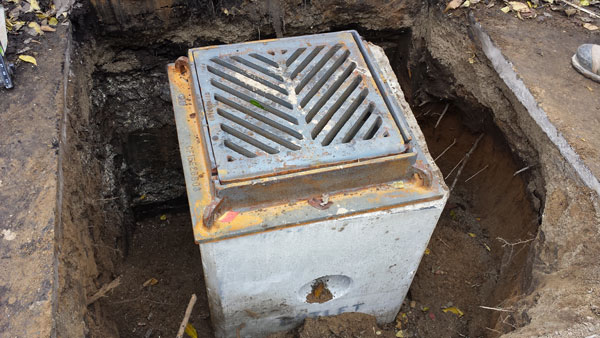
The local context: soil, age of homes, and water pressure
London’s housing stock spans late Victorian brick, post-war block bungalows in Old South and Old East, and poured wall basements in west and north-end subdivisions. The foundation type drives both risk and remedy.
-
Concrete block walls resist vertical loads well but develop mortar joint seepage and can bow under lateral pressure. Water migrates through block cores and shows up in multiple spots, not just a tidy crack line. Exterior waterproofing with a proper drainage board and new weeping tile is often the gold standard here, because it relieves pressure and stops saturation of the cores.
-
Poured concrete walls crack predictably at window corners, beam pockets, and random vertical shrinkage lines. Many of these leaks respond well to low-pressure epoxy or polyurethane injection from the interior. If there are many cracks or the footing drain has failed, a broader system is warranted.
-
Rubble stone or brick foundations in very old homes present a different challenge. These walls were never meant to be perfectly dry, and aggressive excavation or rigid coatings can create new problems. Gentle exterior drainage improvements, lime-based repointing, and interior drainage with vapor barriers are often safer.
Clay content matters too. In neighborhoods like Byron or Masonville with heavier clays, hydrostatic pressure rises quickly after a heavy storm. That pressure finds cove joints, hairline cracks, and any discontinuity in an old membrane. In sandy pockets or near river terraces where soils drain more freely, you may see water paths that follow old utility trenches instead.
Interior, exterior, and everything in between
Homeowners often ask for the best system, but the best system is the one matched to cause, structure, and budget. There are three broad families of solutions for basement waterproofing: manage water at the source outside, collect it inside and send it away, or seal a specific crack or penetration. Foundation repair overlaps when movement or settlement has begun.
Here is a straightforward comparison to set the field:
| Approach | What it does | When it fits | Typical disruption | Ballpark cost in London (CAD) | |---|---|---|---|---| | Exterior excavation and waterproofing with new weeping tile | Exposes foundation, repairs or replaces membrane, adds drainage board, replaces footing drain to sump or storm as permitted | Repeated seepage through walls or mortar, failed or nonexistent weeping tile, clay soils with pressure issues, block walls | Significant - soil removal, landscaping disturbed, driveway or deck removals possible | 120 to 250 per linear foot, 8,000 to 30,000+ depending on access and length | | Interior perimeter drain to sump (with vapor barrier on walls) | Relieves hydrostatic pressure under slab, captures water at cove joint and through wall, routes to sump | Chronic cove joint seepage, high water table, finished landscaping you do not want to disturb, sensitive old foundations | Moderate - cutting the slab at perimeter, jackhammer noise, dust control needed | 60 to 120 per linear foot, 5,000 to 18,000+ by size and obstructions | | Crack injection (epoxy or polyurethane) | Seals specific cracks or tie holes from inside, sometimes with exterior prep at grade line | Poured wall with discrete leak lines, no general drain failure | Low - small drill ports, patching | 400 to 900 per crack for typical lengths | | Sump pump with battery backup and exterior discharge | Moves collected water out reliably, protects against outages | As part of interior drain, or to augment existing tile where gravity drain is not available | Low to moderate - pit excavation, plumbing connections | 2,000 to 4,500 depending on features | | Backwater valve (plumbing) | Prevents sewer backflow during municipal surges | Flooding tied to sewer backups, floor drain geyser during storms | Moderate - trenching to main drain, permit required | 2,000 to 3,500, often with grant offsets when programs exist |
The right approach for a wet basement London Ontario homeowners face often starts with the simplest effective fix. If a single vertical crack drips during spring thaws, an injection done well may solve it for the life of the home. If the footing drain is silted and you can hear water moving beneath the slab, collecting it inside may be less invasive than digging out a tight side yard with mature landscaping and a deck.
For block walls with bowing or shearing at the bottom course, this crosses into foundation repair. Stabilization with carbon fiber straps or interior bracing can arrest movement, but if lateral pressure remains high, relieving that pressure with exterior excavation and proper drainage is the lasting answer. In some rare cases, especially where a garage or addition changed load paths and soils are soft, underpinning or helical piers may be recommended. That is no longer just basement waterproofing, it is structural foundation repair.
What you can realistically expect to spend
Numbers vary with access, length, and what your yard looks like. The ranges below reflect recent projects and quotes in the London market, not a guarantee.
-
Exterior excavation and full-wall waterproofing on one side of a typical bungalow, say 30 to 40 linear feet with reasonable access, often lands in the 6,000 to 12,000 bracket. Add tricky access, concrete removal, or deeper footings, and you can see 15,000 to 25,000.
-
Full-perimeter interior drains in a finished basement, with careful dust containment and sump installation, run 10,000 to 20,000 for a 900 to 1,400 square foot footprint. Complex layouts and many interior walls can push this up.
-
Single crack injections remain one of the most cost-effective repairs you can make, typically under 1,000 per occurrence, more if the crack is long, active, or needs ports and stages.
-
Backwater valves, which tie into foundation flood protection even though they are plumbing, are frequently installed in the 2,000 to 3,500 range in London. Programs that help offset the cost appear from time to time. Always check the City of London website for current grants and permit rules, since these change.
Expect a site visit and a written scope, not a back-of-the-truck number. If a company quotes sight-unseen for major work, keep your hand on your wallet.
Reading your foundation’s story by neighborhood and era
The shape of problems varies across the city:
Old South and Wortley Village contain many block and some stone foundations. Mortar joints can become capillaries, and you often find multiple damp areas rather than a single crack. In these homes, I prefer to think in systems. Correct surface drainage, manage eavestroughs and downspouts, and then choose interior drain or exterior excavation based on access. A narrow side yard with a shared fence and a mature tree leans projects toward interior solutions.
Old North and Old East have charming older brick houses with a mix of rubble and early block. Digging too aggressively beside a rubble wall can destabilize it. Smart contractors know to use gentle excavation, broad drainage board, and breathable interior barriers. Ask how they will protect heritage masonry.
Post-war bungalows in neighborhoods like Argyle often have standard-depth block walls and reasonable access. If pressure has built up over time, full-wall exterior waterproofing on the worst elevation paired with crack injection on others can be a balanced plan.
Newer subdivisions in the north and west end feature poured concrete and deeper basements. Here, a wet spot after a storm is often a single crack or a failed form tie. Quick, targeted repairs can be enough. If water seems to ooze where wall meets slab along several feet, the footing drain may be the culprit, and an interior perimeter drain tied to a sump becomes attractive.
When it is not just water: structural foundation repair in London Ontario
Waterproofing deals with moisture entry. Foundation repair deals with movement. The two overlap when prolonged hydrostatic pressure, frost, or poor bearing soils have pushed a wall inward or caused settlement.
Signs that you are in foundation repair London Ontario territory:
-
A horizontal crack mid-height on a block wall, sometimes with the bottom course sliding inward. The wall reads as slightly concave when you sight along it.
-
Stairs in a block wall that open wider at one end, paired with a bow.
-
Doors above that stick seasonally, or a gap that opens at the baseboard along a bearing wall.
-
Slab cracks that have a vertical offset, not just a line.
For lateral movement under a half-inch and stable for several years, carbon fiber reinforcement combined with water management can be appropriate. Larger deflections may call for steel I-beams anchored at top and bottom, or excavation to relieve pressure plus bracing. Settlement or heave invokes different tools, from underpinning to helical piles. Ask any contractor to separate the moisture plan from the structural plan in writing so you can price and stage the work sensibly.
How to vet a basement waterproofing contractor the right way
Licenses and permits in Ontario are specific. Excavation and waterproofing themselves do not usually require a building permit, but any plumbing work, such as a backwater valve or sump discharge into the storm system where allowed, requires a plumbing permit. A good firm will pull the permit and include inspection in the scope. Exterior discharge for a sump must meet municipal bylaws about distance from property lines and sidewalks.
Proof of insurance and WSIB coverage is non-negotiable. Ask for a certificate of liability insurance that names you and your address, dated this year. Ask for their WSIB clearance number, then verify it. If they bring subcontractors, those parties need coverage too.
Look for a physical address in or near London, not just a call center. This matters for after-service and warranties. Drive by if you have doubts.
References help, but be specific in how you ask. Request two projects finished more than three years ago in your quadrant of the city, with a similar foundation type. Call and ask what happened during the heaviest spring melt since installation.
Warranties vary widely. A lifetime transferable warranty on a crack injection may only cover the injection itself, not resulting damage. Interior perimeter system warranties often cover water on the floor at the cove joint, but not mid-wall seepage. Exterior system warranties can exclude damage from new grading changes or added structures. You want the warranty spelled out in plain language: what is covered, what is excluded, and how fast service calls will be handled.
The quote should read like a plan, not a postcard. It needs to list linear feet to be treated, the materials and thicknesses of membranes, the brand and capacity of sump, the discharge route, the finish repairs at concrete and landscaping, and a cleanup standard.
A short pre-call checklist to save time and money
-
Note when the water appears and under what weather. Keep a two-week log if possible, including rainfall or thaw cycles.
-
Trace the path from your downspouts. Measure where they discharge and check whether they run to a pipe, a splash pad, or the ground beside the wall.
-
Photograph any cracks or damp spots right after you wipe them dry. Mark the date and weather.
-
Clear a path along the walls inside, at least two feet out, so an inspector can see and tap the surface.
-
Find your utility lines. If you know where gas, hydro, and cable enter the house, you can plan safer excavation or interior trenching.
Red flags I have seen in the field
The push to sell a single proprietary system for every problem is common. A basement waterproofing company that only does interior drains will find a way to prescribe them even when the wall is clearly leaking mid-height in two spots after eavestrough overflow. The reverse happens too. An exterior-only outfit might quote a full dig where a targeted injection and a downspout extension would do.
Beware of language that treats vapor barriers like magic shields. A vapor barrier is a management layer, not a dam. If water pours behind it from above grade, you are hiding, not solving.
If a company will not discuss the risk of hydrostatic uplift, you might inherit a new problem. In high water table areas, relieving pressure at the perimeter can cause water to rise through slab cracks if there is no interior path to a sump.
Cash-only deals with deep discounts for same-day signings rarely end well. Good contractors stay busy in London. It is normal to wait a few weeks to start non-emergency work in peak season.
Timing your project in London’s seasons
Spring is inspection season. The snow melt and rain combine to show you the full picture. If you can, book assessments then, and get in line for summer work. Exterior excavation in winter is slower, harder on landscaping, and can be pricier. Interior systems install year-round, but noise and dust are real during the process, so plan around family life. If you have a finished basement with built-ins, assume more time for careful protection and cuts.
Some homeowners like to combine work with other exterior projects. If a driveway is being replaced, coordinate the dig so foundation work happens first. If you are regrading the yard or installing new eavestroughs, stage it so the foundation is open when it helps and sealed before the final landscape goes in.
Maintenance after the work is done
Even the best system benefits from simple routines. Clean eavestroughs before heavy fall rains and spring thaws. Keep downspout extensions in place, at least two meters from the foundation where property lines allow. Check the sump pump at the start of storm season by lifting the float and listening for proper discharge. If you have a battery backup, replace the battery every 3 to 5 years and test the alarm.
Walk the inside perimeter after major storms for a year. New systems settle. Sealant at the cove joint may crack slightly and can be topped up. If you had an injection done, run your hand along that line during rain to confirm it stayed dry.
If your warranty requires an annual check, book it. A ten-minute visit with a moisture meter and a visual once-over is cheap insurance and preserves coverage.
Two real scenarios from London homes
A 1960s block bungalow in Old South had damp patches along a 28-foot wall after every three-day rain. The owner had been painting the wall with sealer for years, with less effect each time. We found grade leaning toward the wall by three inches over six feet, and downspouts that dumped at the corner. Step one was earthwork: regrade and add extensions. During the next storm the seepage reduced by half, but the block still showed wicking. The owner wanted to save the mature garden beds, so we installed an interior perimeter drain along that side only, tied to a new sealed sump with a battery backup. The wall was covered with a dimpled membrane and vapor barrier to manage interior humidity. Three years later, through two thaw cycles and a violent July storm, no water has reappeared.
A Masonville two-story with poured walls developed a single vertical leak behind a finished wall. We pulled baseboard and cut a neat inspection strip to find the crack in the concrete. After confirming the footing drain still moved water by listening with a mechanic’s stethoscope at the cove during a storm, we injected the crack with polyurethane to follow the wet path and, for belt and suspenders, epoxied the surface ports. Total work time was half a day, cost under a thousand, and the drywall went back the next week.
How to balance value, disruption, and risk
The best basement waterproofing choice balances three things: how certain you are about the source, how disruptive the fix will be in your life, and how it affects your home’s long-term value.
If you plan to sell within two years and the issue is a discrete crack, a documented injection with a transferable warranty often satisfies buyers and inspectors. If you intend to stay long term and your block walls show widespread dampness and some deflection, exterior work with new weeping tile resets the clock and adds real value, even if it costs more up front.
Refinishing a basement adds another angle. Spending fifteen thousand on drywall and flooring over a moisture problem is a bad bet. Sequence the waterproofing first, then finish. Lenders and insurers in the London area are increasingly interested in documented flood mitigation, like backwater valves and sump systems with alarms. Keep your permits and inspection records together. They help at renewal time.
Questions worth asking at the kitchen table
You learn a lot listening to how a contractor answers, not just what they say. Ask what they would do if it were their house, then ask what the next best option is if budget is tight and you are willing to stage the work. Ask https://manuelsicl125.timeforchangecounselling.com/basement-waterproofing-london-ontario-drainage-sump-pumps-and-more how they handle surprises, like a buried gas line or a footing deeper than expected. Ask what the site will look like at the end of each workday, and who to call if you see water at 10 p.m. During a storm six months from now.
For homeowners who have never hired for excavation before, it helps to know what a good day on site looks like. Crews that set up dust control, use mats for traffic, and protect corners and floors inside tend to apply that same care to the details you cannot see, like sealing the top of a membrane and taping seams. That care is what you are buying.
The bottom line for London homeowners
If you are facing basement waterproofing in London Ontario, take a breath and slow the process down just enough to understand your home’s specific moisture story. Fix the surface drainage you can, make a careful diagnosis, and match the remedy to the cause. Spend where it counts for long-term value, especially on exterior drainage and well-specified systems. Treat foundation repair as a separate, structural decision if movement has started.
Two or three good conversations with established local firms will teach you more about your foundation than a dozen ads. With the right plan, a wet basement becomes a solved problem, not a chronic worry, and the next thaw or thunderstorm becomes just another weather event in a city that sees its share.
Ashworth Drainage — Business Info (NAP)
Name: Ashworth DrainageAddress: 514 Hale St, London, ON N5W 1G8
Phone: (519) 660-9375
Website: https://www.ashworthdrainage.ca/
Email: [email protected]
Hours:
Monday: 9:00 AM – 5:00 PM
Tuesday: 9:00 AM – 5:00 PM
Wednesday: 9:00 AM – 5:00 PM
Thursday: 9:00 AM – 5:00 PM
Friday: 9:00 AM – 5:00 PM
Saturday: Closed
Sunday: Closed
Open-location code (Plus Code): XRR3+HV London, Ontario
Map/listing URL: https://maps.app.goo.gl/9kaoXAxRtJRP1ThS9
Embed iframe:
Socials (canonical https URLs):
Facebook: https://www.facebook.com/ashworthdrainage/
X: https://twitter.com/ashworthrules
Instagram: https://www.instagram.com/ashworthdrainage/
https://www.ashworthdrainage.ca/
Ashworth Drainage provides basement waterproofing and foundation repair services in London, Ontario and surrounding areas in Southwestern Ontario.
The company helps homeowners address wet basements, water intrusion, and drainage issues with solutions that fit the property’s conditions.
Service requests can include foundation repair, waterproofing options, sump pump and drainage-related work, and related assessments.
Ashworth Drainage is based at 514 Hale St, London, ON N5W 1G8.
To reach the team, call (519) 660-9375 or email [email protected].
Business hours are Monday to Friday 9:00 AM–5:00 PM, with the office closed Saturday and Sunday.
For directions and listing details, use the map listing: https://maps.app.goo.gl/9kaoXAxRtJRP1ThS9.
Popular Questions About Ashworth Drainage
What does basement waterproofing help prevent?Basement waterproofing is intended to reduce water intrusion and moisture problems that can lead to dampness, leaks, odors, and damage over time.
How do I know if I may need foundation repair?
Common signs can include visible cracks, water seepage, shifting or uneven areas, or recurring moisture problems; an on-site assessment is usually the best way to confirm causes and options.
What areas does Ashworth Drainage serve?
Ashworth Drainage serves London, Ontario and surrounding areas in Southwestern Ontario.
What are Ashworth Drainage’s hours?
Monday–Friday 9:00 AM–5:00 PM; Saturday closed; Sunday closed.
How can I contact Ashworth Drainage?
Phone: +1-519-660-9375
Email: [email protected]
Website: https://www.ashworthdrainage.ca/
Map: https://maps.app.goo.gl/9kaoXAxRtJRP1ThS9
Facebook: https://www.facebook.com/ashworthdrainage/
X: https://twitter.com/ashworthrules
Instagram: https://www.instagram.com/ashworthdrainage/
Landmarks Near London, ON
1) Kiwanis Park2) Western Fair District
3) Covent Garden Market
4) Victoria Park
5) Budweiser Gardens
6) Museum London
7) Fanshawe Conservation Area