Top 10 Basement Waterproofing Mistakes London Ontario Homeowners Make
Water finds the easiest path, and in London, Ontario that path often ends up through a block wall, a hairline crack, or a clogged weeping tile after a March thaw. I have walked through countless basements off Fanshawe Park Road, in Old South, and in newer subdivisions west of Wonderland, and the patterns repeat. Moisture marks at the base of walls, mineral efflorescence that looks like fuzzy salt, musty smell rising on humid days, and a string of half fixes that never addressed the source. When people call about a wet basement London Ontario homeowners are rarely dealing with one dramatic leak. More often it is a handful of small oversights that add up to a headache.
There are good reasons. Local soils lean to clay with poor percolation, we get freeze and thaw cycles that open hairline cracks, and spring storms can dump more water in 24 hours than some backyard grades can handle in a month. Add to that the age mix of housing stock, from century homes with stone or block foundations to modern poured concrete walls, and the variety of basement waterproofing problems is wide.
Below are the mistakes I see most often, and how to avoid them. The goal is not to sell silver bullets, it is to line up the basics, understand where they matter, and decide when a professional should step in for foundation repair London Ontario properties sometimes need.
Mistake One: Treating Moisture as “Normal” Basement Smell
If you smell earth after a rain or on humid days, you are not smelling harmless basement air. You are smelling moisture that found a way in and is feeding mould or mildew on joists, paper-backed insulation, or the backside of finished walls. I met a couple near Masonville who thought their dehumidifier was doing the job because the bucket filled every two days. The bucket was telling them the opposite. That dehumidifier was masking an ongoing leak at the base of a north wall.
Moisture does not have to gush to be serious. Relative humidity above 60 percent for days at a time starts trouble in hidden places. Efflorescence on the face of a block wall means water is wicking through and dropping mineral salts. Paint that bubbles near the floor line is a red flag, especially in older homes without modern damp-proofing. The fix begins with seeing moisture for what it is: evidence of a path. Once you treat it as a system issue, not a smell, you start solving it for good.
Mistake Two: Thinking Interior Paint is Waterproofing
Waterproof paint has a role, but only after you handle water at the source. I can spot the telltale bright white paint band at the bottom of walls where a previous owner tried to “seal” the basement. It buys a season or two, then peels where hydrostatic pressure pushes moisture through the masonry. These coatings are vapour retarders, not pressure barriers.
Use interior coatings as a finish layer, not the cure. If you have active seepage at a cold joint or along the cove where the wall meets the slab, paint will fail. Address grading, downspouts, and drainage first. If you still have occasional dampness from minor capillary action, then a breathable masonry coating can help control vapour. For active leaks, you are choosing between interior drainage with a sump and exterior excavation with proper membrane and drainage stone. Paint does not belong in that decision tree.
Mistake Three: Ignoring Surface Water Management
Most wet basements in our area begin above grade. I have seen downspouts dumping 500 square feet of roof water right at the foundation corner. In a heavy storm, that is hundreds of litres rushing into a soil pocket beside your wall. Add a patio that slopes back to the house, and water collects against the foundation long enough to find any weakness.
Start with downspouts. Extensions need to move water at least 2 to 3 metres away. Buried leaders are fine if they discharge to daylight or a dry well that actually drains. Do not send them back into the weeping tile unless you enjoy recirculating problems. Next, look at grading. You want a gentle slope away from the house for the first 2 to 3 metres. Use clay-based fill, tamped in lifts, then finish with topsoil. In London’s freeze-thaw cycle, poorly compacted soil settles. Recheck grading every few years, especially after landscaping. Small changes here can cut seepage more than any fancy interior system.
Mistake Four: Skipping the Sump Pump Reality Check
A sump pump is not a get-out-of-jail-free card. It is mechanical, it will be asked to work hardest during storms, and those storms often come with power outages. I have pulled sump lids in Basements where the pump looked fine, but the check valve had failed, so water ran back each time the pump shut off. That doubles the duty cycle and shortens the pump life.
Test your sump. Pour water into the pit until the float engages. Watch it run and make sure the check valve stops backflow. If you hear water returning, replace the valve. Consider a backup. I like water-powered backups in areas with reliable municipal pressure, or a sealed 12-volt battery backup with a separate float and alarm. Budget matters. A decent primary pump runs a few hundred dollars installed, with backups adding several hundred more. Still cheaper than tearing out a finished floor after a storm. Keep the pit clean of silt and iron ochre, which we do see in some London subdivisions. A simple pit vacuum every few months helps.
Mistake Five: Assuming Exterior Excavation is Always Overkill
Exterior waterproofing has a reputation for being intrusive. It is. Excavators, trenching, piles of soil on the lawn. Yet for certain foundations it is the right answer. I walked a mid-century bungalow in Old North where water was squeezing through horizontal cracks in block walls under heavy spring rains. Interior drains would have relieved pressure under the slab, but the walls themselves were taking on water and degrading.
Outside work lets you fix the wall from the wet side. Dig to the footing, clean the wall, seal cracks, and apply a flexible membrane, not just a spray-on dampproofing. Add a dimple board, replace the weeping tile with proper perforated pipe, lay washed stone, and protect the trench with filter fabric. That combination controls hydrostatic pressure and gives water a fast path to the drain. Yes, it costs more. For a typical side wall on a detached home, you may be in the 8,000 to 15,000 dollar range depending on length, depth, and access. When the wall is softened block or spalled brick, that money is directed at the root problem, not only the symptom.
Mistake Six: Writing Off Small Cracks as Harmless
Cracks tell a story. A vertical hairline crack in poured concrete that only weeps during spring can be sealed from inside with an epoxy or polyurethane injection and never leak again. A horizontal crack in a block wall at mid-height, often about the width of a pencil, is a different story. That one points to lateral soil pressure, sometimes from clay expansion or poor backfill. Cosmetic patching buys time at best.
Pay attention to crack orientation, width, and whether it widens. Mark both ends with a date and a pencil tick. If it grows over a season, measure the change. A growing structural crack calls for more than waterproofing. You might need wall reinforcement with carbon fiber or steel, or exterior pressure relief with new drainage. London’s cycles of saturated clay in spring and dry shrinkage in late summer can load a wall hard. Treat the crack as a clue to pressure, not just an opening for water.
Mistake Seven: Finishing a Basement Before You Understand Moisture
I understand the urge to gain living space, especially in houses where a finished basement adds a room for teenagers or a home office. The biggest money pits I have fixed began when someone finished over a damp wall. Poly on the inside trapping vapour, fiberglass batts collecting moisture, and a vapour sandwich that fed mould out of sight. By the time flooring buckled, the studs were black.
Before you frame, test. Tape a square of clear plastic to the wall and to the slab. If you see condensation under it after 48 to 72 hours, you have a vapour issue to address first. If you have a history of even intermittent seepage, install an interior perimeter drain at the base of the walls with a sump connection, and use a dimple membrane on the interior face before framing. Choose rigid foam against the wall with taped seams, not fiberglass. Keep bottom plates off the slab with a foam gasket. Where budget allows, use a subfloor product that lifts finished flooring off potential slab moisture. These steps cost more upfront, but they save ripping everything out later.
Mistake Eight: Neglecting Ventilation and Dehumidification Strategy
Not every basement in London needs a dehumidifier running nonstop, but many do for part of the year. Once outside dew points rise in June, that cooler basement air will condense moisture on any cool surface. I have seen homeowners open basement windows on muggy days, trying to “air it out,” only to spike the humidity. The smell worsens and they blame the foundation.
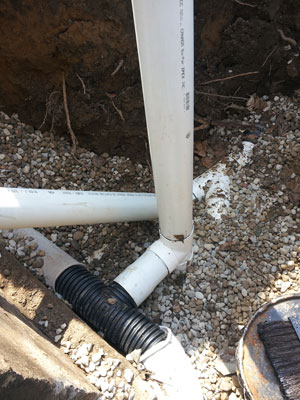
Use data, not guesses. A 30 to 50 pint dehumidifier can manage a typical 1,000 to 1,500 square foot basement in summer, set to 50 percent relative humidity. Drain it to a floor drain or the sump line so you are not emptying buckets. If your home has an HRV or ERV, balance it so you are not depressurizing the basement and pulling humid air through the foundation. In winter, basements can be too dry, which causes its own problems like wood shrinkage. The point is control. Combine dehumidification with waterproofing, not as a replacement. It keeps materials stable and mould at bay once you have already managed bulk water.
Mistake Nine: Hiring on Price Alone, Without Diagnostics
Basement waterproofing is not one-size-fits-all. I have seen estimates written on a napkin during a five-minute visit, and then I have seen thorough inspections that include moisture readings, a look at attic ventilation to rule out condensation, and a camera down the floor drain to see if the weeping tile is tied in. Those two approaches do not cost the same. Neither do the results.
When you seek foundation repair London Ontario contractors, ask what the diagnosis includes. A good contractor should be able to explain why water is entering, not just how they will divert it. They should talk about soil conditions, the age and type of your foundation, the history of leaks, and what you have already tried. They should be comfortable saying no to work that does not make sense. If the only tool they offer is an interior drain, every problem will look like a drain problem. Sometimes it is true. Often a few hundred dollars in grading and downspout work reduces a five-figure plan to a targeted crack injection.
Mistake Ten: Forgetting Maintenance After the Fix
Waterproofing is not a fire-and-forget job. After any major work, set a simple schedule. Check downspouts after every big storm for disconnections. Clean eavestroughs each spring and fall, more often if trees hang over the roof. Pull the sump lid every quarter and confirm operation. Look for new cracks along wall lines after freeze and thaw seasons. In older homes with clay tile drains, budget for periodic maintenance or replacement, especially if you see fine orange slime in the sump that suggests iron bacteria, which can clog perforations.
If you had interior drainage installed, ask the contractor where cleanouts are located and how to inspect them. Keep photos of the system layout. Label the breaker that feeds the primary pump and the outlet for the backup. If your solution included exterior work, keep a record of what membrane was used and details of the backfill and fabric. That information helps any future homeowner, and it helps future trades diagnose without guesswork. Waterproofing is a system. Systems run best when someone pays attention.
Local Realities That Shape Good Decisions
London is not Windsor, and it is not Sudbury. The water table here varies by neighbourhood and season. Close to the Thames or in low-lying pockets, you see seasonal high water interact with slab cracks. In areas built on heavy clay, lateral pressure is the main villain. In older streets with mature trees, roots can invade clay tile drains and slow discharge. Builders from the last 25 years often used poured concrete walls with decent damp-proofing, but even those homes can leak at tie rod holes or where the garage wing joins the main foundation.
The weather matters. The biggest basement calls each year line up with the first warm rain after a long freeze, the kind that melts snow and dumps more water than a winter-dry soil can accept. The second spike comes in late summer when a storm follows a dry spell. Clay that has shrunk pulls away from the wall, creating a gutter beside the foundation. A half hour of intense rain can send water straight to the footing. Smart owners walk their perimeter after those events. If you see soil separation, fill and compact before the next storm.
Interior vs Exterior: Choosing with Clear Eyes
People ask which is better, interior drains or exterior excavation. That is like asking if winter tires are better than four-wheel drive. It depends on what you face. If your walls are structurally sound, and the main problem is water rising under the slab or at the cove joint during storms, an interior perimeter drain with a reliable sump is often the best value. It relieves pressure and moves water out before it finds its way onto the floor. If your walls are soft, bowing, or taking on water through multiple cracks, exterior work gives you relief on the wet side and protects the wall materials themselves.
Hybrids exist. I have injected single cracks in dry weather and added small surface improvements that bought a decade of dryness in homes with otherwise good drainage. I have also added a short run of interior drain to protect a tricky corner where a porch roof concentrated runoff that could not be regraded due to property lines. The best plan follows the water path, not a catalog.
The Cost Question, Answered Honestly
Homeowners want a number. While no article can price your job, ranges help. A simple crack injection might run a few hundred dollars per crack, more if access is tricky or if you need exterior sealing as well. An interior perimeter drain for a typical 30 to 40 linear metre basement often falls in the 6,000 to 12,000 dollar range depending on obstructions, disposal, and pump options. Full exterior excavation along one side can be 8,000 to 15,000 dollars, and full perimeters can easily exceed 20,000 dollars on larger homes or those with difficult access.
These are not small expenses. The decision point is often whether you are protecting finished space, the resale value in a neighbourhood where buyers expect dry basements, and the health risk of hidden mould. In London’s market, a dry, well-finished basement can add significant value. Spending wisely on basement waterproofing places money in the structure rather than in cosmetic cover-ups.
When Foundation Repair Is About Structure, Not Just Water
Sometimes water is simply the messenger. If a block wall bows inward more than about 25 millimetres across a span, or if you see stair-step cracking at corners with measurable displacement, bring in a structural assessment. Reinforcement can range from carbon fiber straps properly epoxied at specific spacing to steel I-beams anchored top and bottom. In severe cases, excavation and relief outside combine with interior reinforcement. The right sequence matters. I have seen owners pay for interior drains then discover the wall needed bracing that would have been easier and cheaper https://rentry.co/dvodq7bn before the floor was cut. When foundation repair becomes structural, plan it as a coordinated project, not a set of separate fixes.
A Short Case Study From the Field
A two-storey in Westmount called after spring storms flooded a carpeted rec room. Their first instinct was to replace the sump pump. We found the pump fine, but the downspouts were discharging at the front corner, a patio sloped back to the house by nearly 30 millimetres over a metre, and the interior cove joint showed active seepage lines. The weeping tile was original clay, likely silted.
We staged the work. Day one, we added 3 metre downspout extensions and raised the patio edge with a thin pour and proper slope. That alone stopped minor seepage during a small storm. Week two, we cut a 300 millimetre strip of slab along the two worst walls, installed a perforated interior drain to a new sealed sump with a quiet check valve, and tied in a battery backup. We finished with a dimple membrane tucked into the drain along the walls. Total cost sat mid-range compared to full exterior work. They chose to hold off on exterior excavation, with the plan to revisit if heavy storms still stressed the system. A year later, after a couple of Toronto-level downpours rolled across the city, the basement stayed dry. The homeowner invested in a decent dehumidifier and keeps a simple log of sump tests. That is a typical, balanced outcome.
How to Think Like Water
The best basement waterproofing mindset is simple: imagine you are a raindrop. You fall on the roof, you enter a gutter, you exit a downspout, and you either roll away on grade or you stall beside the foundation. If you make it down to the footing, you look for the easiest exit. That might be a crack, a tie rod hole, a porous block, or a path under the slab. Every component you add should make the raindrop’s life easier away from the house. Every mistake invites it in.
For London homeowners, the order of operations usually looks like this. First, manage surface water to reduce the load. Second, seal obvious entry points like cracks with proper methods. Third, if water still arrives under pressure, provide a controlled path with drains and pumps. Fourth, protect interior finishes with materials that handle occasional vapour without feeding mould. Fifth, maintain the system with simple seasonal habits.
If you keep those principles in mind, you will avoid the top mistakes and you will spend your money where it matters. Basement waterproofing London Ontario homes respond best when the fix respects local soils, weather, and the particular history of your house. Foundation repair is not a punishment for owning an older home. It is part of stewardship, like replacing a roof or upgrading a furnace. Done well, it buys you quiet, dry winters and summers without musty air, and it keeps your time and money focused on life, not on cleanup.
Ashworth Drainage — Business Info (NAP)
Name: Ashworth DrainageAddress: 514 Hale St, London, ON N5W 1G8
Phone: (519) 660-9375
Website: https://www.ashworthdrainage.ca/
Email: [email protected]
Hours:
Monday: 9:00 AM – 5:00 PM
Tuesday: 9:00 AM – 5:00 PM
Wednesday: 9:00 AM – 5:00 PM
Thursday: 9:00 AM – 5:00 PM
Friday: 9:00 AM – 5:00 PM
Saturday: Closed
Sunday: Closed
Open-location code (Plus Code): XRR3+HV London, Ontario
Map/listing URL: https://maps.app.goo.gl/9kaoXAxRtJRP1ThS9
Embed iframe:
Socials (canonical https URLs):
Facebook: https://www.facebook.com/ashworthdrainage/
X: https://twitter.com/ashworthrules
Instagram: https://www.instagram.com/ashworthdrainage/
https://www.ashworthdrainage.ca/
Ashworth Drainage provides basement waterproofing and foundation repair services in London, Ontario and surrounding areas in Southwestern Ontario.
The company helps homeowners address wet basements, water intrusion, and drainage issues with solutions that fit the property’s conditions.
Service requests can include foundation repair, waterproofing options, sump pump and drainage-related work, and related assessments.
Ashworth Drainage is based at 514 Hale St, London, ON N5W 1G8.
To reach the team, call (519) 660-9375 or email [email protected].
Business hours are Monday to Friday 9:00 AM–5:00 PM, with the office closed Saturday and Sunday.
For directions and listing details, use the map listing: https://maps.app.goo.gl/9kaoXAxRtJRP1ThS9.
Popular Questions About Ashworth Drainage
What does basement waterproofing help prevent?Basement waterproofing is intended to reduce water intrusion and moisture problems that can lead to dampness, leaks, odors, and damage over time.
How do I know if I may need foundation repair?
Common signs can include visible cracks, water seepage, shifting or uneven areas, or recurring moisture problems; an on-site assessment is usually the best way to confirm causes and options.
What areas does Ashworth Drainage serve?
Ashworth Drainage serves London, Ontario and surrounding areas in Southwestern Ontario.
What are Ashworth Drainage’s hours?
Monday–Friday 9:00 AM–5:00 PM; Saturday closed; Sunday closed.
How can I contact Ashworth Drainage?
Phone: +1-519-660-9375
Email: [email protected]
Website: https://www.ashworthdrainage.ca/
Map: https://maps.app.goo.gl/9kaoXAxRtJRP1ThS9
Facebook: https://www.facebook.com/ashworthdrainage/
X: https://twitter.com/ashworthrules
Instagram: https://www.instagram.com/ashworthdrainage/
Landmarks Near London, ON
1) Kiwanis Park2) Western Fair District
3) Covent Garden Market
4) Victoria Park
5) Budweiser Gardens
6) Museum London
7) Fanshawe Conservation Area