Wet Basement London Ontario? When to Call a Professional vs. DIY
Basements in London, Ontario pull double duty. They store hockey gear and holiday lights, host craft rooms and home offices, and sometimes shelter a furnace that never seems to take a day off. They also sit below grade in a city with clay-rich soils, spring thaws, lake effect snow, and a river that likes to remind us who is in charge. When water shows up where it should not, the clock starts. Some fixes make sense for a handy homeowner. Others demand a crew with specialized equipment and liability insurance. Knowing the difference saves money and protects your foundation.
I work with homeowners across Old North, Byron, and Oakridge, from 100-year-old stone basements to newer poured-concrete foundations in the northeast suburbs. The stories change, but a few patterns repeat. A couple moves into a Wortley Village bungalow, revives the garden, and suddenly the basement smells musty every July. A family in Masonville finishes a playroom, then discovers a hairline crack weeping during heavy rains. A retiree near the Thames River loses power in a thunderstorm, and the sump pit turns into a bathtub. Each case asks the same question: what can you handle with basic tools and patience, and when is professional basement waterproofing the smarter investment?
Why basements get wet in London
Our soil is part of the story. Much of London sits on clay and silty till that holds water rather than letting it drain freely. After a hard rain or rapid spring melt, that moisture pushes against foundation walls and slab. Hydrostatic pressure builds. Any weak point becomes the path of least resistance.
Then there is weather. We swing from freeze to thaw multiple times in shoulder seasons. Water in small voids expands as it freezes, which opens tiny gaps in mortar joints, around window wells, and at the cove joint where the wall meets the slab. Add summer humidity that can condense on cool basement walls and you get a recipe for persistent dampness even without an obvious leak.
Construction methods matter too. Older homes may have fieldstone or block foundations and imperfect, aging weeping tile if any. Newer places might have modern drain tile and damp-proofing on the exterior, but those systems can clog or fail, especially if the home has settling or if landscaping has piled soil above the original grade line.
Understanding the source is step one. Water can enter through surface routes, like overflowing eavestroughs and downspouts that dump right beside the foundation. It can pass through porous masonry or a non-structural shrinkage crack. It can rise from below as ground water finds a seam, or back up through the floor drain during a storm sewer surge. Different problems call for different solutions, and not all of them require a backhoe.
First response when you find water
Small or large, a wet basement rewards quick, calm action. The goal is twofold: limit damage now, and preserve evidence of the source for a proper fix.
- Stop the water if you safely can. Check power to the sump pump. Reset a tripped GFCI. If a burst supply line is the culprit, close the main shutoff. If a storm is pushing water over a window well, cover it with plastic sheeting and secure it temporarily.
- Document what you see. Take photos of damp areas, the waterline on baseboards, the sump level, any dripping points, and the weather outside. Notes help a contractor diagnose later, and they help with insurance.
- Move items off the floor. Prioritize cardboard, fabrics, and wood furniture legs. Set them on blocks or plastic totes. Pull area rugs and hang to dry.
- Ventilate and dehumidify. Set a dehumidifier to 45 to 50 percent relative humidity and run fans to move air across wet surfaces. Within 24 to 48 hours, porous materials that stay wet can grow mold.
- Trace the obvious. Look at downspouts, exterior grade, and window wells. Indoors, check the cove joint, around posts, and behind insulation if accessible. If you see active seepage through a crack, mark the top of the water track with painter’s tape to show how high it rose.
Those steps do not replace a fix, but they keep a nuisance from becoming a renovation.
When a DIY approach makes sense
Some basement moisture problems sit on the surface. They are predictable, repeatable, and respond to simple changes. Here are common examples I’ve seen homeowners handle well:
Gutters and downspouts. Blocked eavestroughs send sheets of water to the foundation. In London’s leafy neighbourhoods, cleaning them two to four times a year matters. Downspouts should discharge at least 6 feet from the wall. Simple extensions or a buried solid pipe that outlets to a lower point in the yard can make an immediate difference. Be sure any buried pipe is sloped and does not tie into the sanitary sewer, which is not allowed.
Grading and landscaping. Soil should slope away from the house roughly 1 inch per foot for the first 6 feet. Over the years, mulch and settling can create negative slope that funnels rain inward. Regrade with clayey fill rather than topsoil alone. Keep garden beds and hardscape features a little lower than any basement window sill, and avoid piling soil against siding or weep holes.
Humidity control. In summer, basements can feel damp from condensation. A dehumidifier sized for 1,000 to 1,500 square feet can keep relative humidity in the 45 to 50 percent range. Set it to drain by hose into a floor drain or condensate pump rather than relying on the bucket. Insulating cold water lines reduces sweating that drips onto floors.
Sump pump maintenance. Test the pump by lifting the float and watching it discharge. Replace a tired unit before it dies during a storm. Consider a battery backup pump that can move water for several hours during an outage. Many homeowners in London add a high water alarm for peace of mind. Check valves should be quiet, but a soft thud after the pump cycle is normal.
Non-structural crack injection. Hairline to small cracks in poured concrete walls that weep only during heavy rains can sometimes be sealed from the inside with polyurethane injection. The foam expands to fill the crack. For a confident DIYer, kits exist. In practice, an experienced basement waterproofing contractor will do a neater job and often offer a warranty, but a small, contained seep at eye level can be a weekend project.
Interior finishes. If a finished room hides the problem, pull baseboards to look for darkened drywall paper and swollen MDF. Cut small inspection holes at the bottom of the wall. Catching moisture before it wicks upward saves large sections of drywall. If you see mold larger than a poster-sized area or growth on structural framing, that moves into professional territory.
These fixes share three traits: low risk, predictable results, and low cost per attempt. They also buy you time to see if the issue reappears during the next heavy rain.
Clear signs you should call a professional
Some problems deserve specialized assessment, equipment, and permits. Leaving them to DIY can cost more later or put safety at risk. Use this short list as a guardrail.
- Bowed or cracked foundation walls, stair-step cracks in block, or a crack you can slide a coin into. These can indicate structural movement that calls for engineering and possibly foundation repair.
- Repeated water entry at the cove joint around the entire perimeter, or water bubbling up through the slab. That points to hydrostatic pressure and failed or clogged weeping tile.
- Sewer backup or water emerging from floor drains. That is a plumbing and municipal infrastructure issue. It needs a licensed plumber and, in many cases, a backwater valve and sump system with proper permits.
- Widespread mold or musty odours that persist despite humidity control. Professional remediation sets containment, uses negative air, and removes contaminated materials safely.
- Window well flooding that rises above the sill, or basement windows with rotted frames. These often require excavation, new wells with proper drains, and possibly grading corrections.
In each case, the scope goes beyond surface fixes. You are choosing between basement waterproofing strategies and, at times, foundation repair. This is where local experience in London, Ontario matters. A contractor who works with our soil and weather understands how far to go on the exterior, whether to pair interior drain systems with sump upgrades, and when to call in an engineer.
Interior vs. Exterior waterproofing, and where each fits
Basement waterproofing is a broad term. It covers methods that keep water out of the structure, and methods that manage water after it enters. The right choice depends on the source of moisture, the type of foundation, and your goals for the space.
Exterior excavation and waterproofing. This is the gold standard for stopping water at the source. The crew excavates down to the footing, cleans the wall, repairs cracks, applies a waterproof membrane and protective dimple board, and installs new weeping tile to a sump or storm connection where allowed. It works well for poured concrete and block walls with accessible perimeters. Expect significant yard disturbance and the need to protect decks, air conditioners, and plantings. Cost varies by access, depth, and length. Think in terms of per-linear-foot pricing rather than a single number. It is a big job, but it often comes with strong warranties when done by established basement waterproofing London Ontario firms.
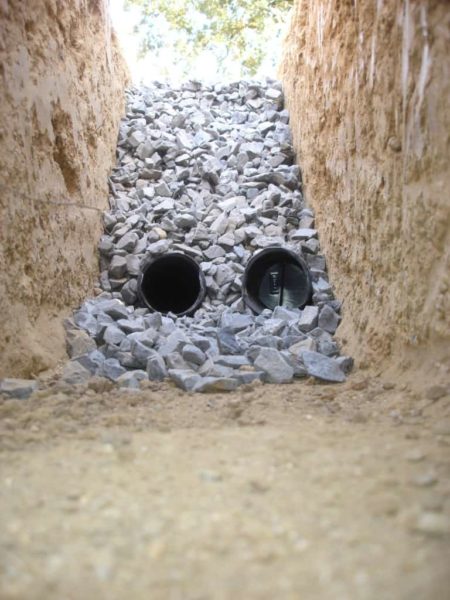
Interior perimeter drain and sump system. For homes where excavation is impractical, an interior drain system along the footing redirects water to a sump pit. Technicians cut a narrow trench at the slab edge, install a perforated pipe in stone, and cover it with concrete. Paired with a reliable sump, this relieves hydrostatic pressure under the slab and keeps the finished space dry. It does not keep soil outside the wall dry, so the wall itself can still be damp to the touch. In London’s clay, this is a common, effective solution for persistent cove joint seepage.
Crack repair. For isolated leaks in poured walls, epoxy or polyurethane injection seals the path. From the interior, technicians install ports along the crack and inject under pressure. Epoxy is structural and can bond the wall, while polyurethane is more flexible and better for active leaks. For block walls, which are hollow, specialized methods may be needed, including external parging and interior drainage.
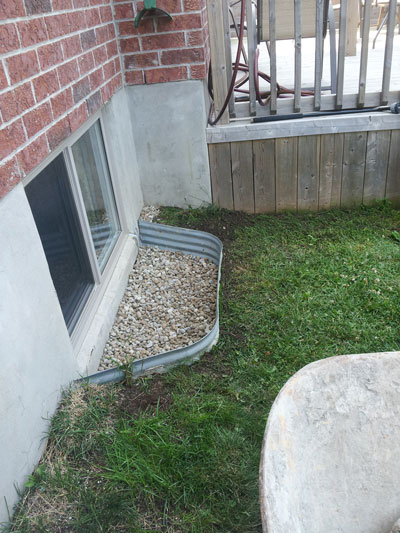
Window well upgrades. A properly sized well set below the sill and tied into a drain prevents ponding against the window. Wells should sit above finished grade and be filled with clean stone for drainage. Clear covers keep leaves out but still allow light. If wells routinely flood, review the eavestrough and downspout layout. I have seen one misplaced downspout fill a well like a bucket.
Backwater valves and plumbing corrections. If water shows up during citywide storm events through floor drains, you are likely dealing with surcharge in the sanitary or combined system. A backwater valve on the sanitary line prevents reverse flow into your home. In some cases, separating storm and sanitary flows on your property, adding a sump system, and disconnecting foundation drains from sanitary can be part of a city-approved solution. London has offered grants and incentives for flood mitigation in the past. Program details change, so check the City of London website or call before starting work.
Reading the room: finished vs. Unfinished spaces
A finished basement changes the calculus. Drywall, baseboards, carpet underlay, and built-in cabinetry hide problems and are food for mold. If water enters an unfinished storage room in a corner twice a year and you catch it with a shop vac, a modest intervention may be fine. If a family room with insulation behind studs is damp along the base and smells earthy all summer, now you are balancing health concerns and the cost of rework.
In practice, homeowners in London often mix approaches. They might install an interior drain system in the finished half, add a new sump with backup power, and then plan exterior waterproofing on the most exposed wall when they redo the driveway. Staging work lets you control budget while moving toward durable protection.
What about foundation repair in London, Ontario?
Not every crack is an emergency. Concrete shrinks as it cures, and hairline cracks are common. The time to worry is when you see diagonal cracks at window corners that widen, horizontal cracks in block walls under soil pressure, or any bowing that you can measure with a straightedge. Doors that stick upstairs and new gaps along baseboards can be related.
Foundation repair London Ontario contractors bring two things to the table: diagnostics and methods. They may use laser levels, crack monitors, and soil knowledge from previous jobs on your street. Solutions vary from carbon fiber reinforcement for block walls, to helical tiebacks that anchor into stable soil, to underpinning if settlement is ongoing. These are engineering tasks with permits. Home insurance rarely covers long-term settlement, but it sometimes covers sudden events, so ask questions early and keep records.
Real numbers, in the right ballpark
Costs swing with access, scope, and finish level. Ranges help set expectations:
- Dehumidifier sufficient for most basements: a few hundred dollars to around a thousand, more for high-capacity units.
- Downspout extensions and regrading: a few hundred for DIY materials to a couple of thousand for professional regrade along one side.
- Crack injection for a small, non-structural leak: several hundred to around a thousand per crack, depending on length and accessibility.
- Sump pump replacement with new basin, check valve, and discharge: from the mid hundreds for basic swap to a few thousand when adding a battery backup and trenching a new discharge.
- Interior perimeter drain with sump: several thousand to the low five figures, depending on perimeter length and obstacles.
- Exterior excavation and full waterproofing: typically priced per linear foot with a wide range, landing in the five figures for many homes.
- Structural foundation repair: highly variable. Reinforcement of a single wall may be in the mid to high four figures into the five figures, while underpinning or major tieback systems can exceed that.
Reputable basement waterproofing London Ontario companies will provide written scopes, not just lump sums, so you see exactly what is included: membrane type, thickness, drain type, discharge points, restoration of landscaping, and warranty terms.
Insurance, permits, and the fine print
Not all water is equal in the eyes of insurance. Overland flood and sewer backup coverage are separate endorsements on many policies. https://emiliopfvt047.bearsfanteamshop.com/basement-waterproofing-london-ontario-complete-homeowner-s-guide Seepage through a wall often falls outside coverage unless it is sudden and accidental due to a covered peril. If you experience a backup through a floor drain during a storm, call your insurer promptly to understand options for clean-up and mitigation.
Permits matter for certain work. Interior drains and sump systems often do not require a building permit, but electrical work for a dedicated circuit does require a licensed electrician. Exterior excavation and foundation waterproofing can trigger permit and inspection requirements, especially if structural repair or underpinning is part of the scope. Backwater valves and sanitary alterations require plumbing permits and inspection. Many contractors in London handle permitting for you, but you remain responsible as the owner, so ask.
Before excavation, Ontario One Call must locate utilities. Buried services are not limited to gas and hydro. Fibre, cable, and old oil tanks can complicate a dig. Seasonality matters too. Excavation in deep winter is possible but slower and often more expensive. Spring and early summer are busy for waterproofers, so build in lead time.
Choosing the right contractor and setting yourself up for success
You do not need ten quotes, but you do need clarity. A practical approach goes like this. Start by asking neighbours who solved similar issues, particularly on your street where soil and water patterns match. When you meet contractors, share the photos you took, show the marks where water rose, and explain what you want to use the space for in the next five years. A workshop with concrete floors tolerates different solutions than a child’s bedroom.
Expect a written scope that describes the method, materials, cleanup, and warranty. Ask who will be on site. Some companies run their own crews. Others subcontract. Neither is inherently better, but you deserve to know. Warranties vary. A lifetime warranty on a crack injection that transfers to a new owner carries real value in a sale. For a perimeter system, look for warranty terms tied to the specific lineal footage and components, not blanket statements. If you are planning to finish the basement afterward, discuss how to detail the base of drywall and baseboards to keep them off the slab a bit and use moisture-tolerant materials.
If a contractor pushes one method before diagnosing the source, pause. In most houses, there is a short list of viable options. A good pro will explain trade-offs. An interior drain is less invasive and stops water from reaching your finished floor, but it accepts that moisture is still on the exterior side of the wall. Exterior waterproofing keeps the wall dry, but it is more disruptive. Foundation repair methods should be backed by engineering when structural issues are on the table.
Case notes from around town
A couple in Old South inherited a musty utility room with a telltale white chalky residue on the walls. Efflorescence signals mineral salts left by evaporating water, so we looked outside first. The downspout beside the room was dumping into a short splash block surrounded by a shallow depression. Regrading a 10-foot stretch with clay fill and adding a buried discharge that daylighted at the side yard stopped 90 percent of the moisture. A midsize dehumidifier handled summer humidity. No excavation, no sump, no drama.
In a 1970s split level in Westmount, water rose through the slab during two thunderstorms. The weeping tile, tied into a combined sanitary line decades ago, had clogged. The fix involved an interior perimeter drain to a new sump, a sealed lid with a quiet pump and battery backup, and a backwater valve installed by a licensed plumber with permits. The owners later finished the space, keeping the bottom half inch of drywall off the slab and using composite baseboards. It has stayed dry through bigger storms.
A 1920s home near the river had a fieldstone foundation with lime mortar and a block addition. The rear wall of the addition showed a horizontal crack about 4 feet up, and the wall had bowed inward by nearly an inch. That moved from waterproofing into foundation repair. An engineer specified carbon fiber straps along the wall at set intervals and improved exterior grading with a new window well drain. The owners plan to excavate and fully waterproof that wall when they redo the patio. For now, the wall is stabilized, and seepage has stopped.
Each story underlines a theme. A wet basement London Ontario diagnosis starts with source and structure. The fix follows.
The DIY and pro split, in plain language
If you can point to an exterior cause you can change with a shovel, wrench, or ladder, start there. If the water is minor, predictable, and in one spot, and your foundation is otherwise sound, a targeted repair or interior system can be a manageable project with professional guidance. If the water comes up from below, appears in multiple locations, or is tied to movement in the foundation, bring in a specialist. If health or safety is on the line, such as sewer backup or extensive mold, do not wait.
There is also a middle ground: pay for a professional assessment even if you plan to do some work yourself. Many basement waterproofing and foundation repair companies in London offer inspections and detailed recommendations. An hour spent walking the site with someone who has dug along these streets and seen how clay behaves can save you from guessing. They can also prioritize. Not every issue needs the most expensive solution on day one.
Planning ahead
Prevention works. Before the spring melt, clear eavestroughs and verify downspouts. After a major rain, walk the perimeter and look for ponding. Test the sump twice a year and replace the battery on the backup system as the manufacturer recommends, typically every three to five years. Keep storage off the floor on racks. Label photos and notes in a folder so if you sell, you can show the next owner what you did and when.
If you are budgeting for bigger work, align it with other projects. Exterior waterproofing pairs well with driveway replacement, fence work, or a backyard redesign. Interior drainage is best done before you finish a basement. If you are upgrading HVAC, talk to the contractor about dehumidification capacity and fresh air strategies that will keep the basement stable through all seasons.
Finally, expect the basement to tell you what it needs over time. Homes settle into their sites. Rain patterns shift. Neighbouring infill construction can alter drainage. Stay observant, solve simple problems quickly, and bring in help when you cross into structural or system-level issues. The goal is not just a dry basement. It is a basement that earns its keep, season after season, without anxiety every time the forecast turns grey.
By approaching moisture with clear eyes and local knowledge, homeowners in London can choose wisely between DIY fixes and professional basement waterproofing. And when the foundation does need attention, working with experienced foundation repair London Ontario teams protects the bones of the house and the comfort of the rooms you live in.
Ashworth Drainage — Business Info (NAP)
Name: Ashworth DrainageAddress: 514 Hale St, London, ON N5W 1G8
Phone: (519) 660-9375
Website: https://www.ashworthdrainage.ca/
Email: [email protected]
Hours:
Monday: 9:00 AM – 5:00 PM
Tuesday: 9:00 AM – 5:00 PM
Wednesday: 9:00 AM – 5:00 PM
Thursday: 9:00 AM – 5:00 PM
Friday: 9:00 AM – 5:00 PM
Saturday: Closed
Sunday: Closed
Open-location code (Plus Code): XRR3+HV London, Ontario
Map/listing URL: https://maps.app.goo.gl/9kaoXAxRtJRP1ThS9
Embed iframe:
Socials (canonical https URLs):
Facebook: https://www.facebook.com/ashworthdrainage/
X: https://twitter.com/ashworthrules
Instagram: https://www.instagram.com/ashworthdrainage/
https://www.ashworthdrainage.ca/
Ashworth Drainage provides basement waterproofing and foundation repair services in London, Ontario and surrounding areas in Southwestern Ontario.
The company helps homeowners address wet basements, water intrusion, and drainage issues with solutions that fit the property’s conditions.
Service requests can include foundation repair, waterproofing options, sump pump and drainage-related work, and related assessments.
Ashworth Drainage is based at 514 Hale St, London, ON N5W 1G8.
To reach the team, call (519) 660-9375 or email [email protected].
Business hours are Monday to Friday 9:00 AM–5:00 PM, with the office closed Saturday and Sunday.
For directions and listing details, use the map listing: https://maps.app.goo.gl/9kaoXAxRtJRP1ThS9.
Popular Questions About Ashworth Drainage
What does basement waterproofing help prevent?Basement waterproofing is intended to reduce water intrusion and moisture problems that can lead to dampness, leaks, odors, and damage over time.
How do I know if I may need foundation repair?
Common signs can include visible cracks, water seepage, shifting or uneven areas, or recurring moisture problems; an on-site assessment is usually the best way to confirm causes and options.
What areas does Ashworth Drainage serve?
Ashworth Drainage serves London, Ontario and surrounding areas in Southwestern Ontario.
What are Ashworth Drainage’s hours?
Monday–Friday 9:00 AM–5:00 PM; Saturday closed; Sunday closed.
How can I contact Ashworth Drainage?
Phone: +1-519-660-9375
Email: [email protected]
Website: https://www.ashworthdrainage.ca/
Map: https://maps.app.goo.gl/9kaoXAxRtJRP1ThS9
Facebook: https://www.facebook.com/ashworthdrainage/
X: https://twitter.com/ashworthrules
Instagram: https://www.instagram.com/ashworthdrainage/
Landmarks Near London, ON
1) Kiwanis Park2) Western Fair District
3) Covent Garden Market
4) Victoria Park
5) Budweiser Gardens
6) Museum London
7) Fanshawe Conservation Area